
A staircase is one of the most-used features in any home, and it’s often one of the first things guests notice when they walk through the door. Whether you’re replacing worn treads, updating an outdated railing, or planning a full staircase renovation, the process involves more moving parts than most homeowners expect. Getting the planning right up front leads to a smoother project and a result that’s both beautiful and safe for years to come.
Before choosing materials, it helps to think about how your household actually uses the stairs. High-traffic staircases in busy family homes need durable, slip-resistant treads, while a quieter staircase in a secondary living area might allow for more decorative flexibility.
Consider factors like:
These details help determine which materials and finishes will hold up best over time.
One of the most common questions homeowners ask is how to coordinate new stair treads with existing floors. A mismatched staircase can make an otherwise cohesive home feel disconnected.
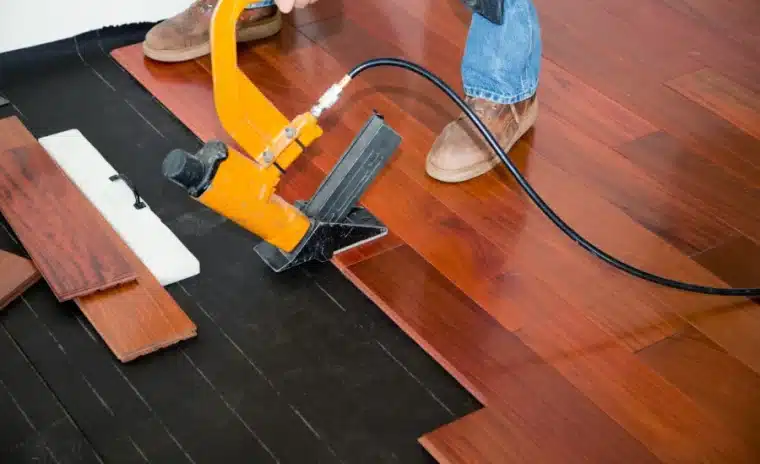
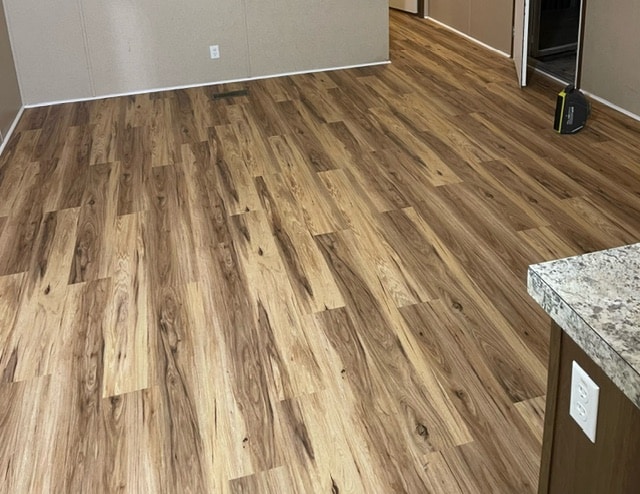
Hardwood stair treads are a popular choice because they can be stained to closely match existing hardwood flooring, creating a seamless visual transition between levels. In homes with LVP or tile flooring on the main level, many homeowners choose complementary tones rather than exact matches, using the staircase as a subtle design accent instead.
Railings are not just a design feature — they play a critical safety role in every home. A secure, well-installed railing should feel solid to the touch, sit at a comfortable height, and be free of gaps that could pose safety concerns, especially in homes with children.
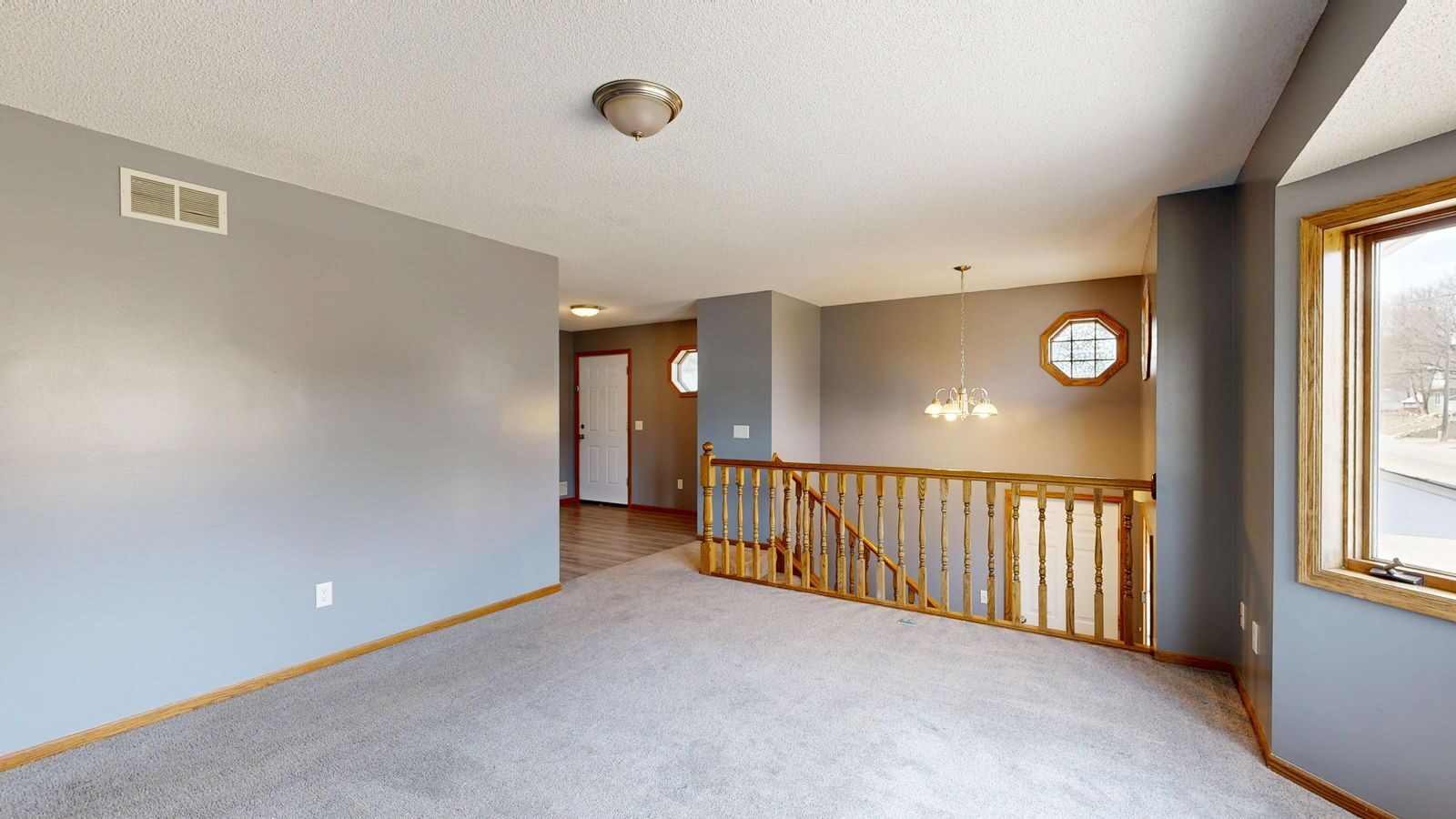
Beyond safety, railing style has a major impact on the overall look of a staircase. Wood balusters offer a warm, traditional feel, while metal or cable railings tend to create a more modern, open appearance. The right choice often comes down to the architectural style of the home and personal preference.
Timing matters a great deal in stair and railing projects. For new construction, stair installation typically needs to be coordinated with framing, flooring, and finish carpentry schedules so that treads and railings are installed at the right stage without delaying other trades.
For renovations, existing structures need to be evaluated first. In some cases, treads can be replaced without disturbing the underlying stringers, while other projects may require more extensive rebuilding. An experienced installer can walk through your home and outline realistic options based on the current condition of your staircase.
Avoiding these missteps often comes down to working with a team that understands both the construction and design sides of the project.
At Appalachian Flooring & Design Experience, we help homeowners throughout Bristol, TN plan and install staircases that are safe, functional, and visually cohesive with the rest of their home. Learn more about our stair and railing installation services, or visit our showroom to compare tread and railing options in person.
Ready to start planning your staircase project? Contact us today to schedule a consultation.