Few materials bring the warmth and timeless character of real wood flooring. But when homeowners in Bristol, TN and across Northeast Tennessee start shopping for hardwood, they quickly run into a common question: solid or engineered? Both options offer genuine wood surfaces, but they differ in construction, performance, and the situations where each shines. Understanding these differences up front can save time, money, and frustration later in your renovation or new build.
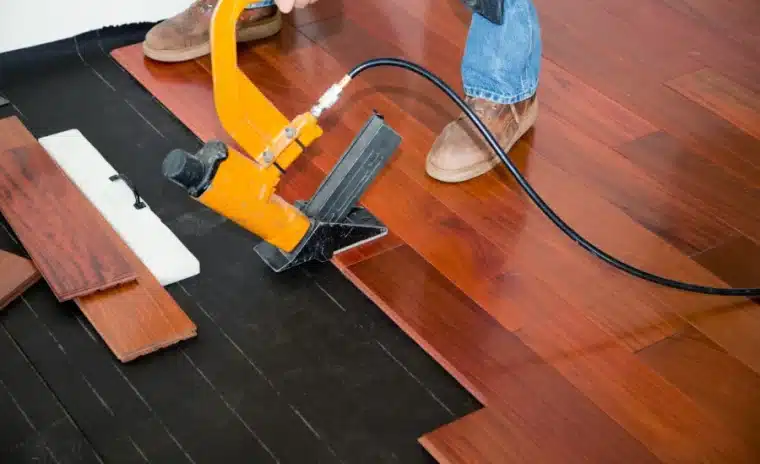
Solid hardwood is exactly what it sounds like — a single, solid piece of wood milled into planks. It’s the traditional choice homeowners picture when they think of hardwood floors, and it has been used in homes for generations.
Because it’s solid wood all the way through, this flooring can be sanded and refinished multiple times over its lifespan, often lasting well beyond 50 years with proper care. It’s a strong choice for main living levels where humidity and temperature stay relatively stable.
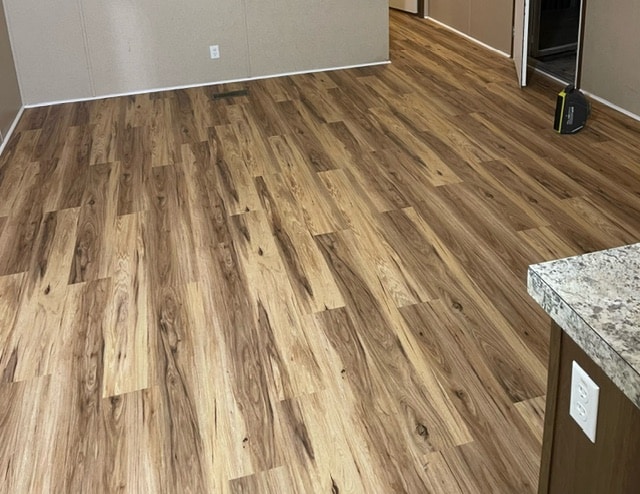
Engineered hardwood features a real wood veneer layered on top of a plywood or high-density fiberboard core. This layered construction makes it more dimensionally stable than solid wood, meaning it resists expansion and contraction caused by humidity changes.
That stability makes engineered wood a great option for basements, homes with radiant heat, or areas of Northeast Tennessee and Southwest Virginia that see seasonal humidity swings. It also tends to install faster, sometimes using click-lock systems similar to those found in luxury vinyl plank flooring.
The right choice depends on your home’s layout, your local climate, and your long-term plans. A historic home in downtown Bristol with consistent climate control might be perfect for solid hardwood, while a newer home with a finished basement in Johnson City or Kingsport may benefit more from engineered wood’s added stability.
Budget, foot traffic, and whether you’re installing over an existing subfloor all play a role too. This is exactly the kind of decision that’s easier to make with samples in hand rather than photos on a screen.
At Appalachian Flooring & Design Experience, we’ve helped homeowners throughout Bristol, TN and the surrounding region choose and install the right hardwood flooring for over 16 years. Visit our Bristol showroom to compare solid and engineered wood samples side by side, or explore our hardwood installation services to see how our process works from start to finish.
Ready to talk through your options? Contact our team today to schedule a consultation.